Built for the assets that keep the Gulf running.
Energy & LNG, district cooling, and utilities each fail differently under Gulf heat, dust, humidity and salinity. Gulf Twin AI models those stressors directly — through the proprietary Gulf Exposure Index — so maintenance is planned on evidence, not intervals.
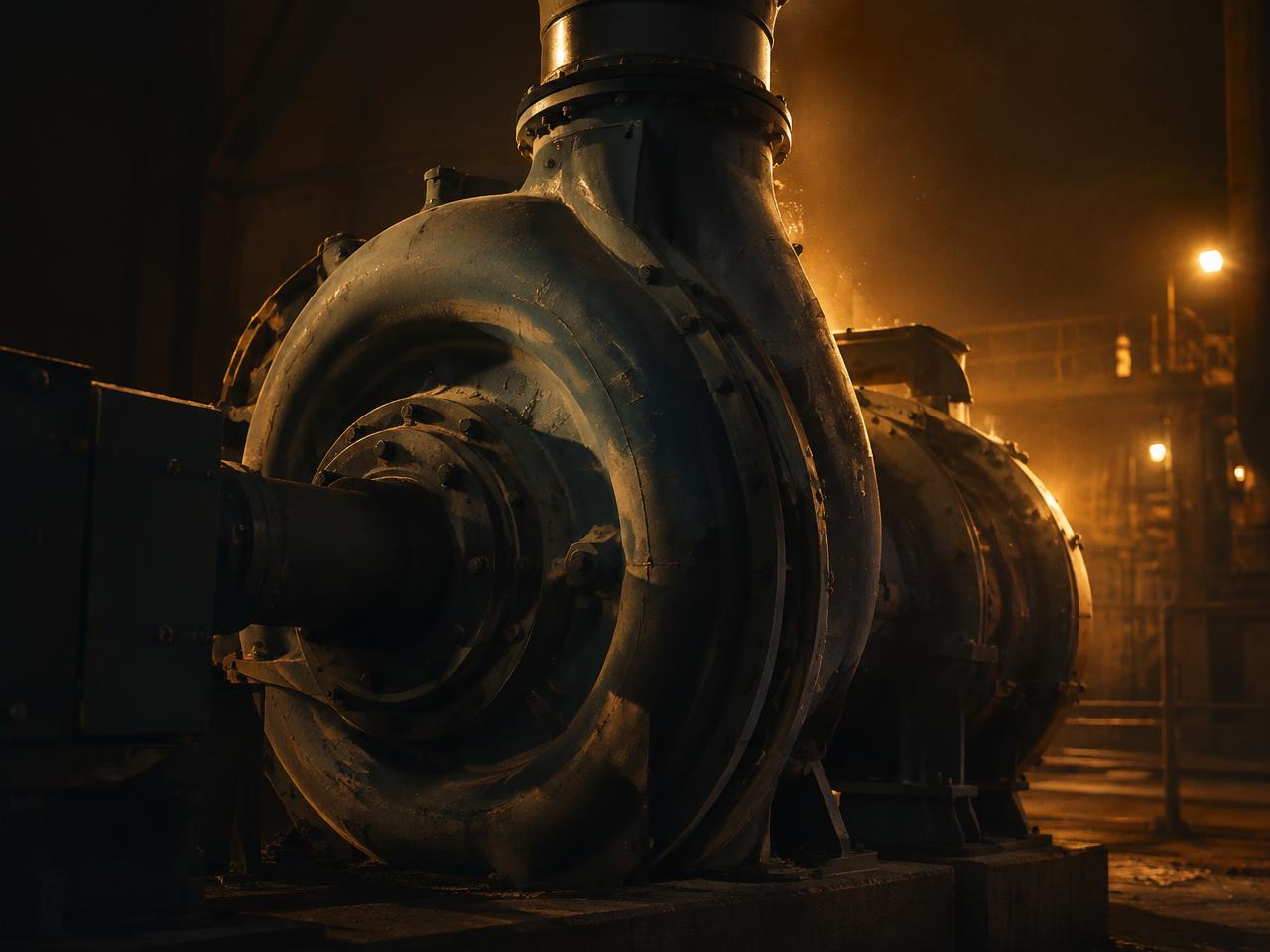
Predictive maintenance for LNG and energy assets in Qatar
LNG trains, gas processing and power generation assets in the Gulf operate through sustained ambient temperatures above 45°C, airborne dust loading and coastal salt exposure. These conditions accelerate wear on rotating equipment well beyond the rates assumed by generic maintenance intervals.
- Compressor & turbine health
Vibration, bearing temperature and lube-oil condition trended against ambient heat and dust exposure, so degradation is visible weeks before a trip.
- 90-day failure horizon
Failure probability estimated at 7, 30 and 90 days, giving planners time to align interventions with production windows rather than reacting to alarms.
- Corrosion under insulation
Coastal salinity and humidity drive CUI risk on piping and vessels; exposure scoring flags the assets where inspection effort matters most.
All figures in the demonstration are synthetic. Site-specific models are built and validated during a pilot.
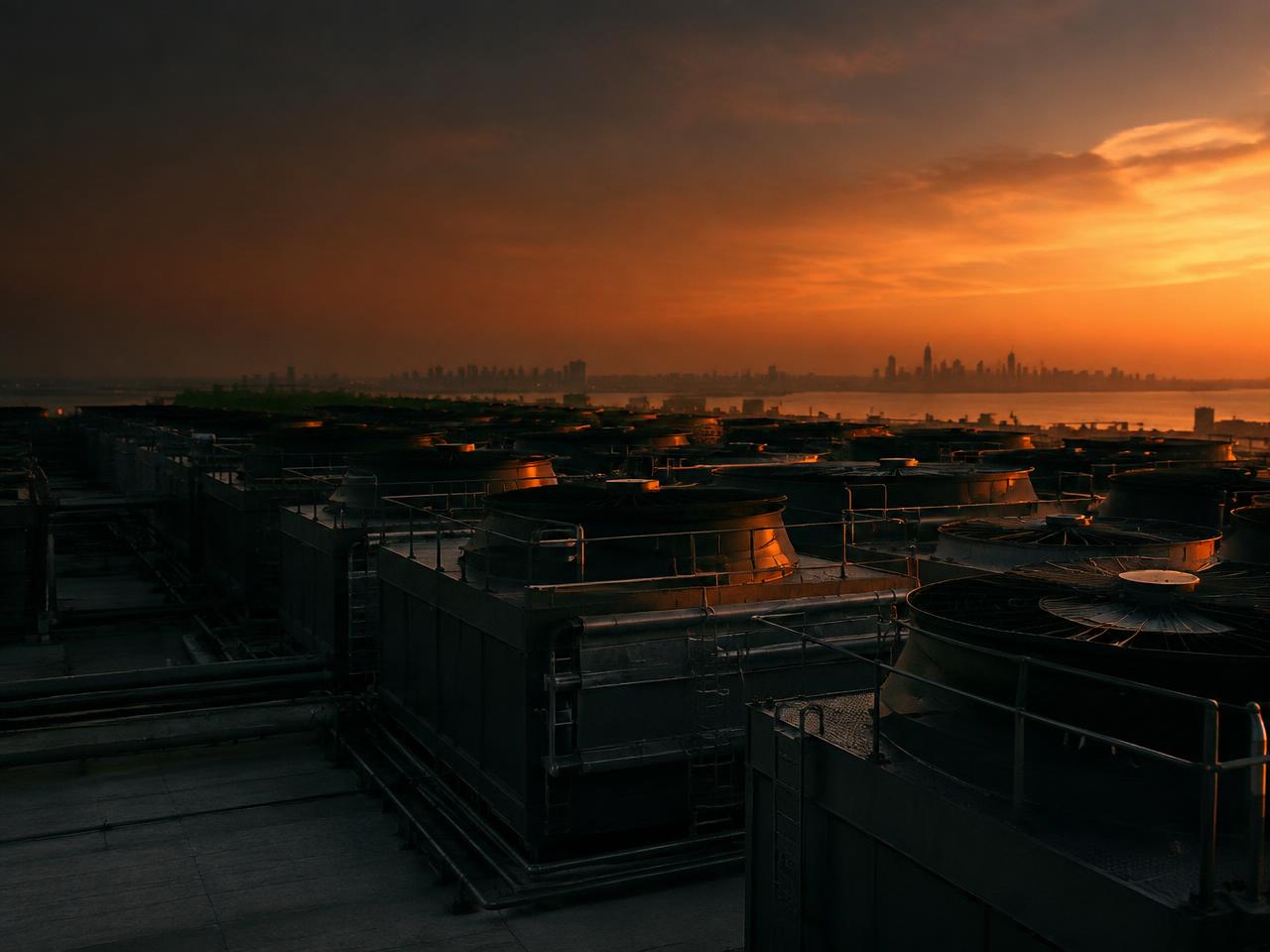
District cooling efficiency optimization across the GCC
District cooling plants carry the summer peak for entire districts. Chiller fouling, cooling-tower drift and AHU fan erosion erode capacity gradually — and the shortfall appears exactly when demand is highest. Climate-aware scoring catches the drift early.
- Chiller performance drift
Approach temperatures and kW/ton tracked against condenser-water conditions to separate fouling from sensor noise.
- Cooling tower & fan health
Fill condition, fan vibration and motor current scored together, so a degrading tower is caught before it caps plant output.
- Peak-season readiness
Risk-ranked work orders let operators clear the highest-impact degradation before the June–September peak, not during it.
Efficiency figures shown in the demo are modeled targets, not measured customer results.
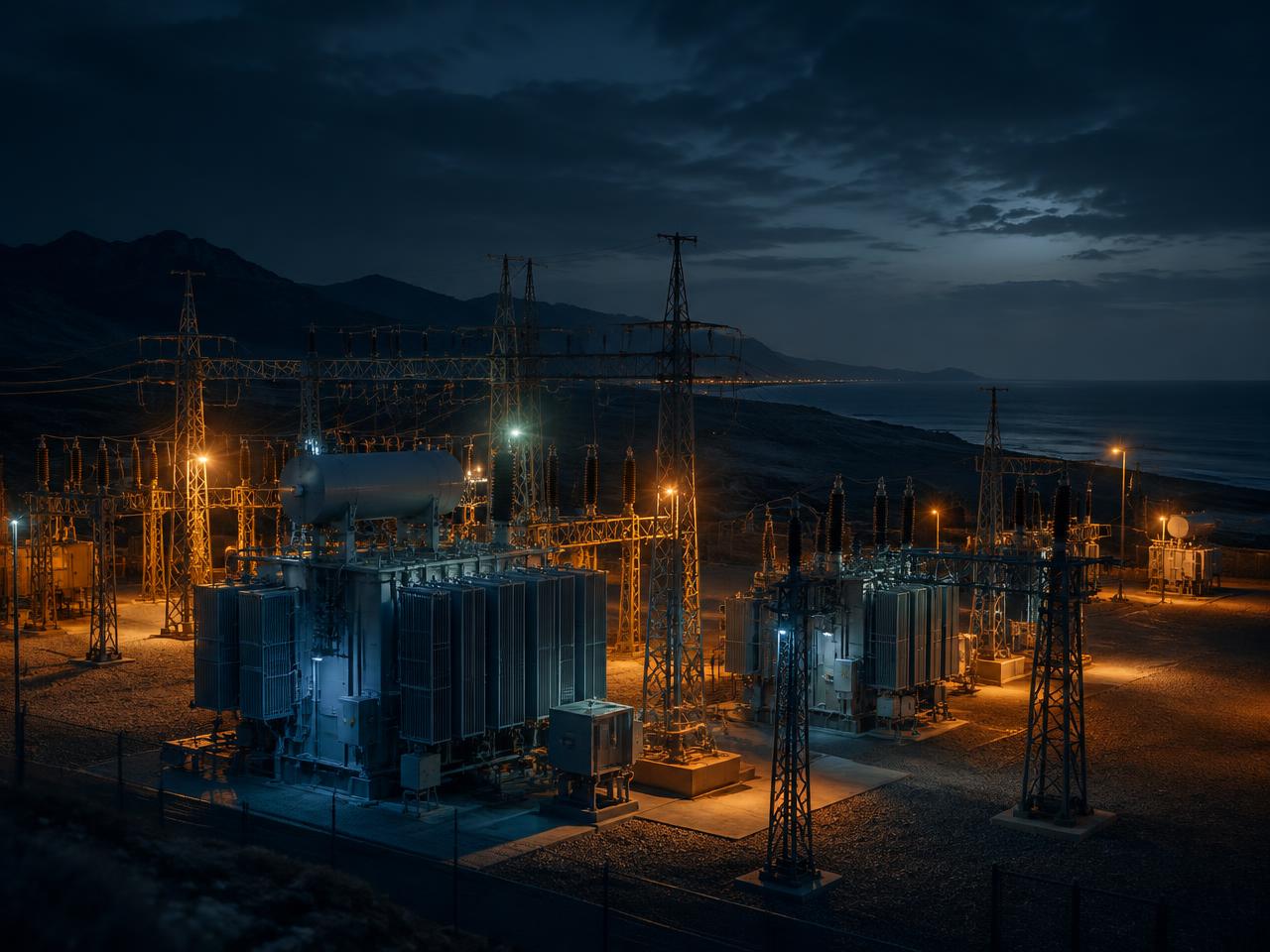
Utility asset health in coastal Gulf climates
Substations, transformers and distribution assets near the coast face a compounding mix of heat, humidity and salt contamination on insulators and bushings. Gulf Twin AI translates environmental exposure into asset-level risk so maintenance is prioritized by consequence, not calendar.
- Transformer stress visibility
Hot-spot temperature, load history and insulation aging combined into a single health score per unit.
- Salt contamination risk
Coastal exposure scoring highlights where insulator washing and inspection cycles should tighten.
- Outage prevention
Risk-ranked actions focus crews on the small set of assets driving most of the continuity risk.
The demo utility network is entirely synthetic and unaffiliated with any real operator.
See your asset class in the demo.
Explore the synthetic demonstration environment, or scope a pilot for your operation.